Tough Matches, Tougher Lessons: What Wrestling Teaches Kids (and Parents)
The air in the gym is thick with nervous energy, sweat, and disinfectant. There are a lot of parents cheering, coaches yelling instructions, and kids in the crowd. Some are bouncing on the balls of their feet, while others look like tiny, stoic gladiators. This is what a wrestling parent does every weekend, and to be honest, there’s nothing else like it. It feels like a private place and a very public place at the same time.
That’s the beauty of what wrestling teaches kids—how to stay focused, disciplined, and strong in moments of pressure that test both their body and mind.
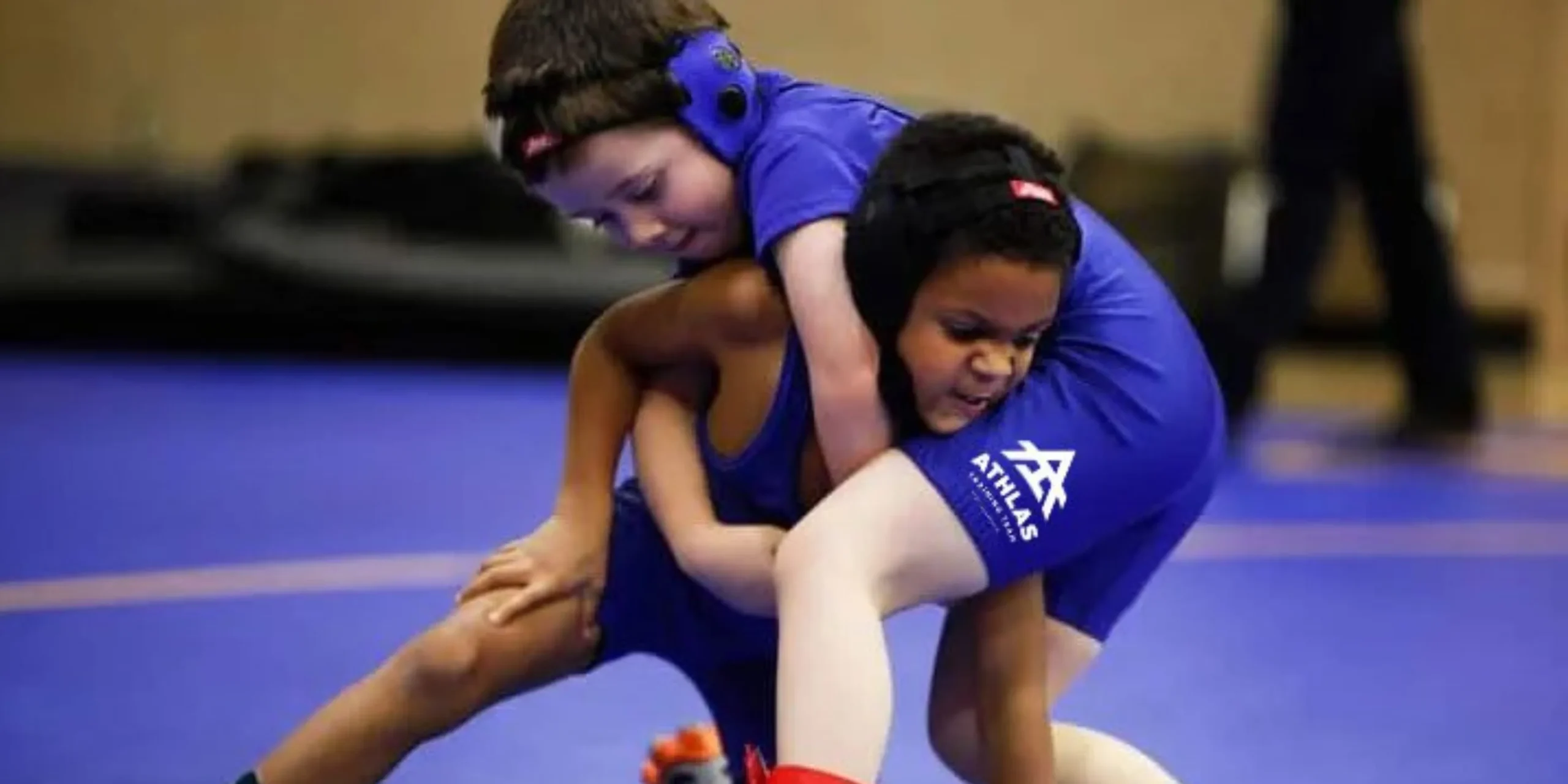
My son, whom I’ll call “Braveheart” for the sake of privacy and his fierce heart, is on the mat. He is locked in a tight grip, and his little face is a mask of focus. I hold my breath and my knuckles turn white on the weak plastic chair. The score is tied and we’re deep into the third period. Every second feels like a minute.
Wrestling. When people find out I’m a “wrestling parent,” they often seem both impressed and worried. “Isn’t that risky?” or “Isn’t it a little too much?” And yes, it is very strong. It’s the best place to test yourself in a raw, one-on-one fight. There’s no bench to hide on and no teammate to blame if you miss a tackle. When the whistle blows and you lose, you shake the winner’s hand and leave the mat by yourself.
That’s the secret sauce, right there. Being alone on the mat is what makes you strong.
The Mat’s Unforgiving Geometry
We have all seen the losses. The ones that are quick and clear-cut, and the ones that are heartbreaking and end with a referee’s slap. Braveheart had one of those last weekend. A tough, smart opponent, a match that lasted six minutes and was very tiring, and a pin in the last ten seconds. The kind of loss that makes you feel sick to your stomach.
He left the mat with tears streaming down his face, not because he had a rolled ankle or a bloody nose, but because he was so disappointed. My first thought, like any loving parent would do, was to run over, hug him tightly, and say the classic, empty phrase, “It’s okay, you tried your best.”
But over the years, I’ve learned to stop and think about how his coach (who is half-drill sergeant and half-life coach) handles these situations. I’ve learned that the best thing I can do is let him have his own feelings.
The silence finally broke in the car, miles later. He sniffed and said, “Dad, I messed up the switch.” I was too slow. I let go of my position instead of keeping my hips low.
That’s the main point.
- What Wrestling Teaches Them (The Kids) Being Responsible for Oneself: He didn’t blame the referee, the loud crowd, or even how strong his opponent was. He took responsibility for the mistake, which was a technical error that he could look into and fix. This is great in a world where shifting blame is an art form. The mat makes you think about yourself.
- What Effort Really Means: He learned, in the most direct way, that effort isn’t just about trying hard or being the strongest; it’s also about using your skills correctly when things get tough. It’s about having both mental and physical strength. This week he’s back in the practice room, working on that “switch” until his arms hurt. He’s turning a mistake into a planned, targeted fix.
- Resilience is a verb: We tell kids to “be resilient,” but wrestling makes them do it. You get knocked down, but you get back up. If you get pinned, you go back to the center and finish the period. You lose the tournament, but you go to the next one. The mat is the best place to test the saying “Fall down seven times, stand up eight.” It shows them that a bad result doesn’t make them bad. It just means they are a kid who needs to practice more.
The Harder Lessons for Us (the Parents)
While the kids are learning how to be tough athletes, we parents are getting a very important and high-stakes lesson in how to control our emotions and stay detached.
The Strength of Silence:
I learned that rushing in to “fix” my son’s pain after a loss or happiness after a win can take away his chance to deal with it on his own. He needs five minutes to feel angry, sad, or proud on his own. I need to give him a moment of quiet, unconditional empathy by putting my hand on his shoulder, sharing a water bottle, and changing the subject to dinner.
Distinguish the Athlete from the Child:
This is the most important lesson. He is not his wins, and he is definitely not his losses. We should praise the effort and criticize the technique (if he asks for our opinion), but we should always love the child who steps off the mat, no matter what the score is. His performance is only a small part of who he is.
The Hardest Lesson:
We Can’t Fight for Them: It’s hard for a parent to watch their child struggle, knowing exactly what they should do, or seeing them wear themselves out against a better opponent. We want to yell the right thing or get on the mat ourselves. But it’s in those exact moments of personal struggle, when you’re in the middle of that fight, that you build real character. We need to sit down, be quiet, and have faith in the training. We are there to catch things, not to push them.
It’s not over yet for the season. There will be wins that feel like flying and losses that hurt like a bee. But when I see Braveheart walk back onto the mat for his next fight, shoulders back and eyes on his opponent, I know I’m not just watching a wrestling match.
I’m watching a little person learn how to get around in a hard, often unforgiving world where you sometimes have to rely only on your preparation, your will, and your ability to get back up after you’ve been knocked down. He is learning how to fight his own battles. And to be honest, that’s a better lesson that will last longer than any gold medal.
You may also want to read at Wrestler Mom
- Wyatt Hendrickson: Biography, Career, Achievements, and Wrestling Style
- Tips For New Wrestling Parents: Everything About Singlets, Shoes, and Sizing for Beginners
- Amit Elor Biography: Olympic Gold, Wrestling Career & Achievements
- The Wrestling Season Has Arrived
- A Wrestler Mom’s Guide to Handling Defeat: Coaching Your Kid Through a Loss